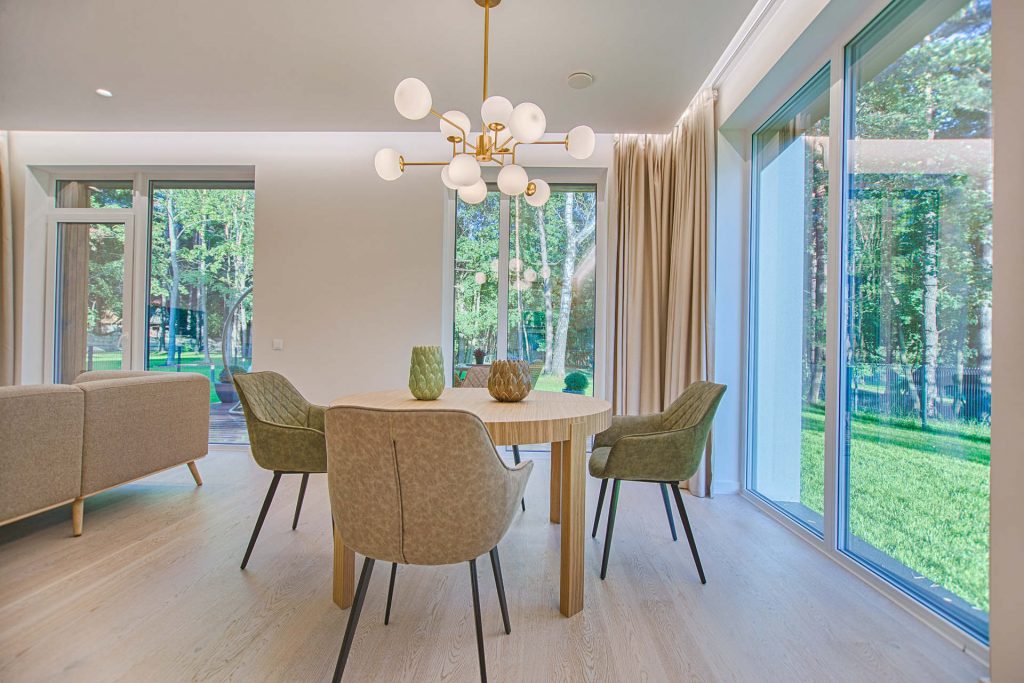
In this post we will discuss 5 tips for choosing the ideal flooring. In addition, we will go over the options for various room and situations to consider.
Flooring comes in all shapes, materials and sizes. Many types may be appropriate for your home as well as a place of business.
To help make your decision a little easier, we will go over some important reasons for various flooring decisions. Read on to learn about some fundamental things that will help make your decisions much easier.
5 Important Things To Consider When Choosing Your Ideal Flooring
TIP 1: Consider The Room
The first consideration for the ideal flooring is, which room is it for. Is it a bedroom? Carpet or hardwood would be appropriate depending on your preference but you’d want to steer clear of tile. Is it a bathroom? You could do tile flooring or some types of hard surfaces such as waterproof vinyl plank which has become quite popular lately partly because it is much easier and cheaper to install that ceramic tile or any other stone.
Take note of the room you are renovating with new flooring. By doing so you will eliminate a lot of the guess-work.
TIP 2: Is It A Home Or Business?
Will you be doing floor installation in a residence or commercial space? In understanding the space specifically, you can choose a flooring type that best suits the space.
Most businesses can use a variety of flooring. While this is the same for your home or place of residence, you will likely not put the same type of flooring in your bathroom as you may in your kitchen. Be aware of the space and the activities that will go on in your space, and you will have a better time making a decision regarding flooring. In most cases you will want to have the same flooring throughout the main floor except the bathroom.
TIP 3: Do You Have Kids?
If you have young children, choose a flooring type that is versatile, easy to clean and ok for your kids to make a mess of. Some families prefer carpet for softness, the safety factor for children and it creates warmth in the home.
Carpeting it is harder to clean and generally won’t last as long as hard flooring. Taking this into consideration is important for choosing the ideal flooring for your home.
TIP 4: How About Pets?
If you have pets, you will want to think about this and how the flooring you choose will either make your life as a homeowner easier or more difficult. Do your pets have frequent accidents in the house? If so you may want to choose a hard surface that is easy to clean and care for. Also consider that hard surfaces are slippery for dogs. It can be especially difficult for them when they are older. Thinking of this in advance is a crucial part of the remodeling process.
TIP 5: What’s Your Budget And Style?
Budget and style also plays a huge role in choosing the right type of flooring for both your home or business. Some types of flooring are classic, while others lend to a more modern look.
If your budget doesn’t allow for the top of the line products, you can often find very good quality alternatives that are less expensive. Paying close attention to what you can afford, how long you’ll have it, and style requirements will make your decision that much easier.
Here’s a quick breakdown of types of flooring and characteristics:
Carpet creates warmth and is luxurious in certain rooms of the house.
Hardwood has a classic feel but can be rather pricey.
Vinyl plank flooring is best suited for its versatility, modern look and affordability
Conclusion
Finding the ideal flooring for your home or office can be difficult. But these 5 simple tips will make the process easier. We hope you enjoyed our article and wish you luck with your flooring project and any in the future.
When you are redecorating or planning to do a major remodel, one of the first decisions you will have to make is your choice of flooring. While tiling, solid hardwood and carpeting can be the right choices in some cases, one of the most popular choices these days is floating flooring.
The improvements to the quality and design of laminate and vinyl plank flooring have been spectacular in recent years. They are beautiful to look at, incredibly durable and the ease of installation has made them extremely appealing to homeowners.
Why floating flooring?
Materials for flooring are usually attached to the ground for stability. Floating floors are held in place by their weight and the walls of the room, thus the term “floating.”
Laminate, vinyl, and engineered wood flooring are the three options for floating floors. The most common of the three is laminate, which is designed to expand and contract as the room temperature changes. There are many design and color options available including styles that mimic stone and ceramic tiles.
Luxury vinyl flooring (LVF) planks can be snapped together using tongues and grooves to hold them tightly together in place. There are some types that can be glued to the subfloor. There are various thicknesses available so you will find that some planks are very rigid while others are quite flexible. Waterproof luxury vinyl with the cork backing is especially popular for floating flooring because of its durability, water resistance and it is quiet when you walk on it.
Engineered wood flooring can also be installed as a floating floor. There are some brands are made to be nailed to a plywood subfloor so be sure to check on that before purchasing. The surface layer of engineered wood flooring is an attractive decorative surface glued to a plywood or MDF core.
One advantage of engineered wood flooring is that it can either be stapled to the ground or installed as a floating floor. Therefore, even after purchasing all the materials, you still have the freedom of choosing between floating floors and conventional designs. So why should you opt for a floating floor during your construction or renovation process?
So, the choice is yours, floating flooring or traditional flooring?
The benefits of floating flooring
Floating floors have been regarded as inferior nail-down flooring, but this view is changing because the quality of the products has improved dramatically in recent years. In terms of the effect on real estate value, the old perception was that floating floors would not add value the way harwood does.
Luxury vinyl is now considered a premium material that won’t compromise your homes’ value. The climate is a factor too. In places like Florida for instance, homeowners avoid real wood flooring because the humidity can wreak havoc on hardwood floors.
Ceramic and stone tile became the popular choices for this reason. However, now that laminate and vinyl are available in beautiful styles and the quality has evolved, many homeowners are choosing vinyl over ceramics.
Here are 3 reasons for the obsession with floating flooring…
Easy installation and replacement
The easy installation process is one of the main advantages of floating flooring. The materials are held in place by their weight as well as the walls of the room. As a result, they’re easy to install since they don’t require any nails or stapling.
It is also quite easy to replace flooring of this kind. The process of replacing or removing flooring is less difficult than removing carpet from your living room. A flooring design such as this allows for faster changes, especially if you’re aiming to sell your house after completion.
DIY installation is an option
Redecorating and renovation projects can get quickly get expensive. Installing floating floors might be one part of the project you can do on your own to save money.
If you are not up to this kind of DIY task, it is a fairly quick project for a professional so the installation cost is quite low.
Budget friendly
Material and installation costs are generally lower than if you were to choose hardwood or stone flooring. The fact that floating floorings don’t require any kind of adhesive or nails also gives you an opportunity to save more money and installation time.
What are the disadvantages?
In all home remodel projects, there are some cons to choosing the materials. Consider both the pros and cons of a flooring materials when deciding what kind is best for you. Floating floors have these disadvantages:
It is important to consider acoustics. The space between the floating floor and your subfloor may amplify the sound of your footsteps as you walk across the floor. This can be irritating for you but especially your neighbours below you if you are in a condo. There is excellent underlay available to solve this problem. The thickness and quality of the planks can also affect this. Your flooring supplier can advise you further about this.
If there is any kind of water leakage or damage that occurs, it is possible for mold growth to happen under the flooring. This can also cause planks to warp or buckle.
It is possible for laminate floor boards to peak when two are forced together by pressure, leading to a high spot at the seam or joint. Due to improper installation, an inadequate expansion space between the flooring and surrounding walls and moldings is usually the reason for this. The pressure can be relieved by removing the molding and taking a small piece of the flooring away. Replacement of the molding will be necessary.
Here’s a quick video about how to install vinyl plank flooring…
Wrapping it up
Floating flooring is designed to hold in position by using its own weight so gluing or nailing is not required. Ease of installation and lower costs are the biggest advantages over traditional flooring. Disadvantages with this type of flooring are possible mold can growth in cases of high humidity, and the sound of your footsteps being amplified. Be sure to consider these pros and cons when you are deciding which type of flooring to select for your project.